
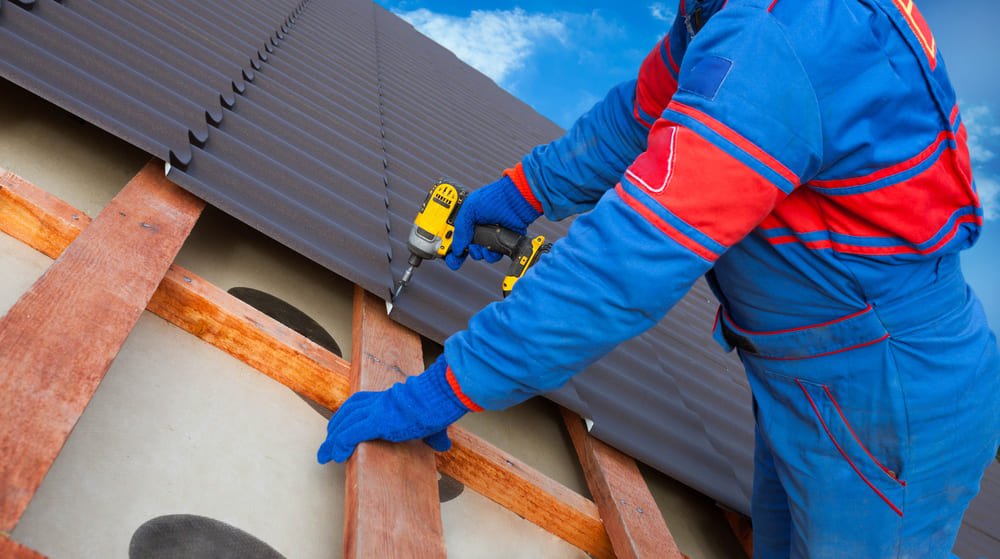
There are a few things to consider when choosing between a metal roof vs shingles. Asphalt shingles are the most common roofing material, but metal roofing is gaining popularity. Each type of roofing has its own pros and cons.
The Cost of Each
Asphalt shingles are popular with homeowners because they are excellent and have a lower price. Metal roofs take more specialized knowledge to install and are more expensive. Prices vary based on brand and location. Generally, metal roofs are more expensive.
The Time It Takes to Install
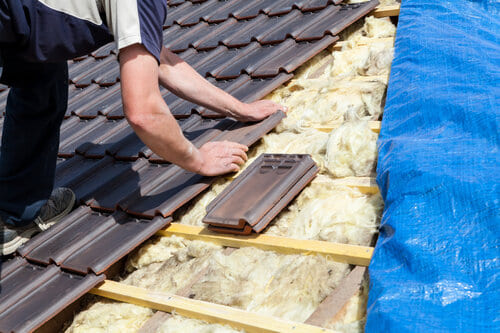
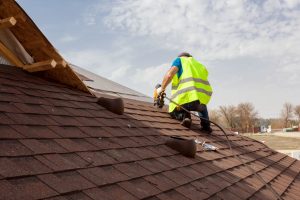
Asphalt shingle roofs have shorter installation times than metal roofs. This is because asphalt shingles are more common, so every roofer knows the ins and outs of how to install them.
Metal roofs require more skill and specialized knowledge to install. The installation has very little room for error, so contractors must be very precise. Because of this, metal roofs take a bit longer to install.
The Longevity of the Roof
Most homeowners prioritize the longevity of roofing materials when it’s time for a replacement. A durable roof can save you money on future repairs. This is especially beneficial for homes in areas with extreme weather conditions.
Shingles and metal roofing are both durable options, but metal roofing is more durable thanks to its ability to resist water. Asphalt shingles will absorb water and freeze in cold temperatures, but metal roofs do not absorb water from rain or snow. Asphalt shingles last 20 to 25 years, whereas metal roofs last 50 to 70 years.
The Appearance of a Metal Roof vs Shingles
The roofing material and color you choose can have a big impact on your home’s overall appearance, including its curb appeal. When making changes to your home, many homeowners take resale value into consideration. Metal roofs have traditionally been seen as unattractive, but modern metal roofing has come a long way in terms of style.
Both metal roofing and asphalt shingles have come a long way in terms of aesthetics. They both offer homeowners a variety of sleek, sophisticated, and stylish options.
Metal roofing can be laid in various ways to resemble other roofing materials, including asphalt shingles. Asphalt shingles also come in a variety of colors and can add a lot of depth and dimension to a roof. Ultimately, it comes down to the individual homeowner’s preferences in terms of aesthetics and design.
Maintenance for the Roof
Regular maintenance of an asphalt roof is required for it to reach its full potential of longevity. Materials can break down over time and need repair or replacement. This includes metal flashing, adhesives, sealants, and rubber pipe boots (flashing for plumbing pipes that come through the roof. Metal roofs require less regular maintenance than shingle roofs, but even shingles don’t need much upkeep.
Its Resistance to the Elements
Both roofing materials offer fire resistance, but metal roofing is more resistant. Additionally, weather can more easily damage asphalt shingles than metal.
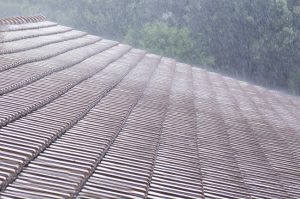
Heavy rain, snow, and wind can cause shingles to lose granules over time. So, overall, metal roofs are more resistant to fire and storm damage than shingle roofs. Hail does not dent metal roofs, despite what many think.
Protecting the Environment
People nowadays want to know the environmental considerations of the products they consume, including roofing materials. Asphalt shingle roofs are not traditionally eco-friendly because recycling them is expensive and not common practice.
Approximately 12 million tons of asphalt materials are sent to landfills annually. However, increased efforts are being made to recycle asphalt shingles and other asphalt materials. Metal roofs are more easily recyclable than shingles. Also, since metal lasts for decades, it does not contribute to landfills as quickly.
Metal Roof vs Shingles Pros and Cons
Overall, metal roofs and asphalt shingle roofs offer different advantages for different homeowners. While metal roofs offer the best overall performance of the two, asphalt shingles still stand out in a few categories. If you are still unsure about which roof would be best for your home, call Tennessee Roofing & Construction, Inc. at 423-842-8826. We’d be happy to visit and offer suggestions.
 We Have Experience with Roofs Near You




 Summer in the southeast can be a lot of fun. The pools are open, the creeks are cold, and the sun is blazing. But what about all those summer storms that roll through from time to time? Is your roof in good enough condition to withstand the elements this coming season? Maybe it’s time for a Chattanooga roof inspection, repair, or other
  Hail Damage